As a supplier in the field of medical device processing, I’ve witnessed firsthand the tremendous impact our work has on the development of minimally invasive medical devices. Minimally invasive surgeries (MIS) have revolutionized the medical industry, offering patients shorter recovery times, less pain, and fewer complications compared to traditional open surgeries. At the heart of this transformative trend lies the intricate and essential work of medical device processing. Medical Device Processing
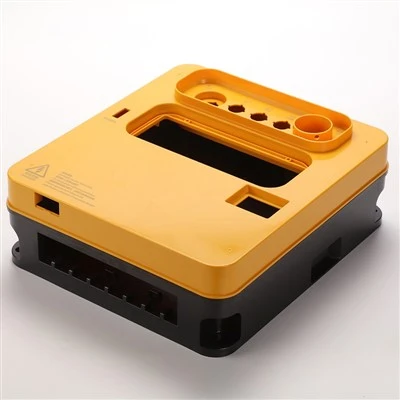
Precision Manufacturing for Minimally Invasive Devices
One of the key aspects of medical device processing is precision manufacturing. Minimally invasive medical devices need to be extremely precise due to their small size and the delicate nature of the procedures they are used in. For example, catheters, which are commonly used in MIS, need to have a smooth surface, consistent diameter, and accurate tip design. Any deviation in these parameters can lead to complications during the procedure, such as reduced maneuverability or damage to the blood vessels.
Our processing techniques, such as precision machining and micro – molding, allow us to produce catheters with high precision. Precision machining uses computer – controlled tools to cut and shape materials with an accuracy of up to a few micrometers. This ensures that the inner and outer diameters of the catheter are within the strict tolerance limits required for safe and effective use. Micro – molding, on the other hand, is ideal for creating small, complex parts of the catheter, such as the catheter tip or the connector. This process allows us to produce parts with high repeatability and fine details.
In addition to catheters, endoscopes are another crucial type of minimally invasive medical device. Endoscopes are used to visualize internal organs and perform various diagnostic and therapeutic procedures. The lenses, fibers, and channels inside the endoscope need to be manufactured with extreme precision to ensure clear imaging and smooth passage of tools. Our company uses advanced optical processing techniques to manufacture high – quality lenses for endoscopes. These lenses are designed to minimize distortion and maximize light transmission, providing doctors with clear and accurate images.
Material Selection and Innovation
The choice of materials in medical device processing is of utmost importance, especially for minimally invasive devices. These devices need to be biocompatible, meaning they do not cause adverse reactions in the human body. At the same time, they must have the appropriate mechanical properties to withstand the rigors of the surgical environment.
We work closely with material suppliers to select the best materials for each device. For example, polymers are widely used in minimally invasive devices due to their flexibility, biocompatibility, and ease of processing. Polyurethane is a popular choice for catheters because it can be formulated to have different levels of flexibility and hardness, allowing for optimal performance in different applications. We also use advanced composite materials, which combine the advantages of different materials to achieve better performance. For instance, a composite material may combine the high strength of a metal with the flexibility of a polymer.
Moreover, material innovation is constantly driving the development of minimally invasive medical devices. Our R & D team is actively involved in exploring new materials and surface treatments. For example, we are researching the use of nanomaterials in medical devices. Nanomaterials have unique properties, such as high surface area and enhanced biocompatibility, which can improve the performance of minimally invasive devices. Surface treatments, such as hydrophilic coatings, can also improve the performance of catheters by reducing friction and improving blood flow.
Customization and Design Support
Every minimally invasive surgical procedure is unique, and patients may have different anatomical characteristics. This requires medical devices to be customized to meet specific needs. As a medical device processing supplier, we offer extensive customization services to our customers.
We start the customization process by working closely with medical device designers and surgeons. We listen to their requirements and provide our expertise in manufacturing and materials. For example, if a surgeon needs a catheter with a specific shape or size to access a particular area of the body, we can use our design and manufacturing capabilities to develop a customized solution.
Our design support services also play a crucial role in the development of new minimally invasive medical devices. We use advanced computer – aided design (CAD) and computer – aided manufacturing (CAM) technologies to create 3D models of the devices and simulate their performance. This allows us to optimize the design before manufacturing, reducing the time and cost of development. For example, we can simulate the flow of fluids through a catheter or the movement of an endoscope inside the body to ensure that the device functions as intended.
Quality Control and Regulatory Compliance
Quality control is a top priority in medical device processing, especially for minimally invasive devices. These devices are used in high – risk procedures, and any quality issue can have serious consequences for patients. Our company has a comprehensive quality control system in place to ensure that every device meets the highest standards.
We use a variety of inspection techniques, such as dimensional inspection, surface roughness measurement, and material analysis. Dimensional inspection is performed using coordinate measuring machines (CMMs), which can measure the dimensions of a device with high accuracy. Surface roughness measurement is important for ensuring the smoothness of the device surface, which can affect its biocompatibility and performance. Material analysis is used to verify the composition and properties of the materials used in the device.
In addition to quality control, regulatory compliance is also essential in the medical device industry. Minimally invasive medical devices are subject to strict regulations in different countries and regions. Our company is committed to complying with all relevant regulations, such as the US Food and Drug Administration (FDA) regulations and the European Union’s Medical Device Regulation (MDR). We have a dedicated regulatory affairs team that works closely with our design and manufacturing teams to ensure that our devices meet all regulatory requirements.
How Our Processing Supports the Future of Minimally Invasive Medicine
The future of minimally invasive medicine looks very promising, and medical device processing will continue to play a crucial role in its development. As technology advances, we expect to see even more sophisticated minimally invasive devices with improved performance and functionality.
One area of future development is the integration of electronics and sensors into minimally invasive devices. For example, smart catheters with built – in sensors can provide real – time information about the patient’s physiological parameters, such as blood pressure and oxygen levels. This allows doctors to make more informed decisions during the procedure. Our company is investing in research and development to develop the manufacturing processes required for these advanced devices.
Another trend is the development of robotic – assisted minimally invasive surgeries. Robotic systems can provide greater precision and control during surgery, reducing the risk of human error. Medical device processing is essential for manufacturing the components of these robotic systems, such as the robotic arms and the surgical instruments. We are working on improving our manufacturing capabilities to meet the high – precision requirements of these components.
Contact Us for Your Minimally Invasive Medical Device Needs
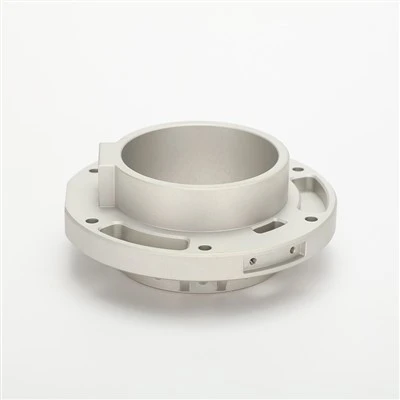
If you are in the market for high – quality medical device processing services for minimally invasive medical devices, we would love to hear from you. Our team of experts is dedicated to providing customized solutions that meet your specific requirements. Whether you are a medical device manufacturer, a research institution, or a healthcare provider, we can work with you to develop innovative and reliable minimally invasive medical devices.
Fast Food Packaging We understand the importance of quality, precision, and regulatory compliance in the medical device industry. With our state – of – the – art manufacturing facilities, experienced team, and commitment to innovation, we are confident that we can be your trusted partner in the development of minimally invasive medical devices. Please reach out to us for a consultation and let’s discuss how we can support your next project.
References
- "Medical Device Design and Development: Principles and Practices" by John E. Hall, Jr.
- "Minimally Invasive Surgery: A Comprehensive Review" in the Journal of Surgical Research.
- "Polymer Materials for Medical Devices" in the Journal of Biomedical Materials Research.
Zhejiang Hayi Technology Co., Ltd.
With abundant experience, we are one of the most professional medical device processing manufacturers in China. We warmly welcome you to wholesale bulk medical device processing in stock here and get quotation from our factory. All customized products are with high quality and competitive price.
Address: Room 112, 1st Floor, No. 103, Siwangdai, Pingzhai Village, Renhe Subdistrict, Yuhang District, Hangzhou City, Zhejiang Province
E-mail: 18368133797@163.com
WebSite: https://www.zhejianghayi.com/
