As a supplier of Resin Fickert Abrasive, I’ve witnessed firsthand how the hardness of this remarkable material can significantly influence its overall performance. In this blog post, I’ll delve into the science behind Resin Fickert Abrasive hardness and explore how it impacts various aspects of its functionality. Resin Fickert Abrasive
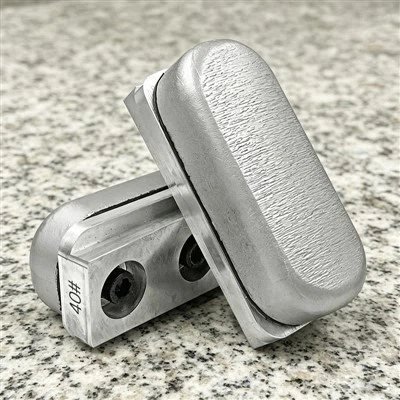
Understanding Resin Fickert Abrasive Hardness
Resin Fickert Abrasive is a composite material composed of abrasive grains and a resin binder. The hardness of this abrasive is primarily determined by the type and quality of the abrasive grains and the strength of the resin binder. Abrasive grains can vary widely in hardness, from relatively soft materials like aluminum oxide to extremely hard substances like cubic boron nitride (CBN) and diamond. The resin binder, on the other hand, holds the abrasive grains together and provides mechanical support during the grinding or cutting process.
The hardness of Resin Fickert Abrasive is typically measured on the Rockwell scale or the Vickers scale. The Rockwell scale measures the depth of penetration of an indenter into the material under a specific load, while the Vickers scale measures the size of an indentation made by a diamond pyramid under a known load. Higher hardness values on these scales indicate a more resistant and durable abrasive material.
Impact of Hardness on Abrasive Performance
1. Cutting Efficiency
One of the most significant ways in which the hardness of Resin Fickert Abrasive affects its performance is through cutting efficiency. Harder abrasive grains can penetrate and remove material more effectively, resulting in faster cutting speeds and higher material removal rates. This is particularly important in applications where large amounts of material need to be removed quickly, such as in rough grinding operations or metal cutting.
For example, in the automotive industry, Resin Fickert Abrasive wheels with high – hardness CBN grains are often used to machine engine components. The hard CBN grains can cut through tough metals like hardened steel with ease, reducing machining time and increasing productivity.
2. Wear Resistance
Hardness also plays a crucial role in the wear resistance of Resin Fickert Abrasive. Abrasive grains that are harder are less likely to wear down during the grinding or cutting process. This means that the abrasive retains its cutting edge for a longer period, resulting in a more consistent cutting performance and longer tool life.
In a manufacturing environment where cost – effectiveness is key, using a Resin Fickert Abrasive with high wear resistance can lead to significant savings. For instance, in the aerospace industry, where precision and long – lasting tools are essential, diamond – based Resin Fickert Abrasives are commonly used for machining high – strength alloys. The high hardness of diamond ensures that the abrasive can maintain its shape and cutting performance, even when working on extremely tough materials.
3. Surface Finish
The hardness of Resin Fickert Abrasive can also have an impact on the surface finish of the workpiece. Softer abrasives tend to produce a smoother surface finish, as they are less likely to cause excessive scratching or damage to the material. This is beneficial in applications where a high – quality surface finish is required, such as in the production of optical lenses or precision molds.
Conversely, harder abrasives may leave a rougher surface finish due to their more aggressive cutting action. However, in some cases, a rough surface finish may be acceptable or even desirable, such as in applications where improved adhesion or friction is needed.
4. Load – Bearing Capacity
The hardness of the resin binder in Resin Fickert Abrasive is also important for its load – bearing capacity. A harder resin binder can better withstand the forces generated during grinding or cutting, preventing the abrasive grains from being dislodged prematurely. This is particularly important in high – pressure applications, where the abrasive is subjected to significant mechanical stress.
For example, in heavy – duty grinding operations, such as those used in the mining industry, Resin Fickert Abrasives with high – strength resin binders are required to withstand the extreme forces involved in grinding large pieces of ore.
Selecting the Right Hardness for Your Application
Choosing the appropriate hardness of Resin Fickert Abrasive depends on several factors, including the type of material being machined, the desired cutting speed, the required surface finish, and the specific application requirements.
For soft materials like wood, plastics, or non – ferrous metals, a relatively soft abrasive with a lower hardness may be sufficient. These abrasives are less likely to cause damage to the material and can provide a smooth surface finish.
On the other hand, when machining hard materials such as hardened steel, titanium alloys, or ceramics, a harder abrasive with high – hardness grains like CBN or diamond is typically required. These abrasives can handle the high cutting forces and ensure efficient material removal.
In addition to the hardness of the abrasive grains, the hardness of the resin binder should also be considered. For applications where high load – bearing capacity is needed, a harder resin binder may be preferred.
Conclusion
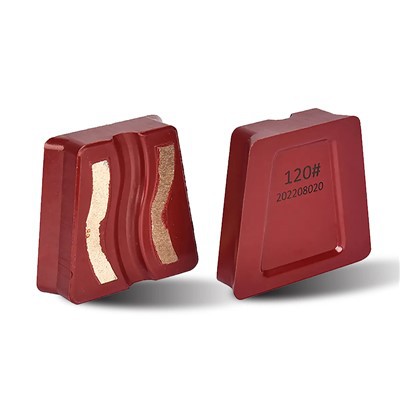
In conclusion, the hardness of Resin Fickert Abrasive is a critical factor that affects its performance in a variety of ways. From cutting efficiency and wear resistance to surface finish and load – bearing capacity, the right hardness can make a significant difference in the effectiveness and longevity of the abrasive. As a supplier of Resin Fickert Abrasive, I understand the importance of selecting the appropriate hardness for each specific application.
Diamond Fickert Abrasive If you’re in need of high – quality Resin Fickert Abrasive for your industrial or manufacturing operations, I encourage you to reach out. We have a wide range of abrasives with different hardness levels to meet your specific needs. Our team of experts can assist you in choosing the right product for your application, ensuring optimal performance and cost – effectiveness.
References
- Rowe, W. B. (2009). Principles of Modern Grinding Technology. Springer.
- Kalpakjian, S., & Schmid, S. R. (2010). Manufacturing Engineering and Technology. Pearson.
- Lindsay, D. (2007). Abrasive Technology Handbook. SME.
Quanzhou Cheefung New Materials Co., Ltd.
As one of the most experienced resin fickert abrasive enterprises in China, we are able to meet the needs of the majority of our customers. Please feel free to wholesale advanced resin fickert abrasive made in China here from our factory. For price consultation, contact us.
Address: Jinshan Community, Licheng District, Quanzhou City, Fujian, China
E-mail: info@prostonetools.com
WebSite: https://www.prostonetools.com/
