Hey there! I’m working as a supplier of milling inserts. And today, I wanna chat about recycling these little but super – important tools. Milling Inserts
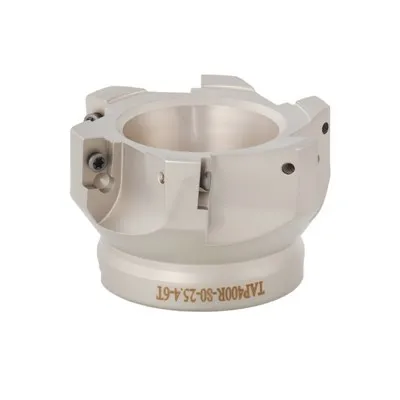
First off, let me tell you why recycling milling inserts matters. Milling inserts are made from some pretty valuable materials like carbide, ceramics, and high – speed steel. When we recycle them, we’re not just being kind to the environment but also saving a bunch of costs. Mining for new raw materials is expensive, it takes a lot of energy, and it can be really hard on the environment. By recycling, we reuse what we already have, which means less damage to the planet and more cash in our pockets.
Now, let’s dig into how you can actually recycle milling inserts. The first step is collecting those used inserts. You gotta gather them up from your machining operations. Make sure they’re separated based on their material types. For example, carbide inserts should go in one container and high – speed steel ones in another. This separation is crucial because different materials need different recycling processes.
Once you’ve got your inserts sorted, it’s time to find a recycling partner. You can’t just toss these things in the regular trash. There are specialized recycling companies out there that know how to handle milling inserts. You can do a quick search online or ask around in the machining community. Look for companies that have a good reputation, and that follow all the environmental regulations. They’ll take your used inserts and start the recycling process.
The recycling process for milling inserts usually involves several steps. For carbide inserts, the first thing they’ll do is crush them into small pieces. This makes it easier to extract the valuable tungsten carbide and other metals. After crushing, they use chemical processes to separate the different elements. The recovered tungsten carbide can then be used to make new inserts.
High – speed steel inserts go through a different process. They’re usually melted down in a furnace. The impurities are removed during the melting process, and then the clean steel can be used to produce new tools. Ceramics inserts are a bit more tricky. Since ceramics have a high melting point, they often need special treatment. Some recycling methods involve grinding the ceramics into a fine powder, which can then be used as an additive in other materials.
As a supplier of milling inserts, I’ve seen firsthand the benefits of recycling. I’ve had customers tell me that by recycling their used inserts, they’ve reduced their costs on new tool purchases. Plus, it looks great for their company’s image. In today’s world, more and more customers care about environmental responsibility. When a company shows that they’re taking steps to recycle, it can really boost their reputation and attract more business.
I also understand that there are some challenges in the recycling process. One big issue is the collection. Sometimes, it can be hard to get all the used inserts in one place, especially if you have multiple machining sites. Another challenge is the quality of the recycled materials. There’s always a concern that the recycled inserts might not be as good as the brand – new ones. But in my experience, with the right recycling methods, the quality difference is minimal.
To overcome these challenges, I recommend setting up a proper collection system. If you have multiple sites, you can arrange regular pick – ups. And when it comes to quality, work with a reliable recycling partner. They’ll have the technology and expertise to ensure that the recycled materials meet high – quality standards.
Now, I know some of you might be thinking, "Why should I bother with recycling? Can’t I just keep buying new inserts?" Well, besides the environmental benefits and cost – savings, there’s also the issue of supply. The raw materials used to make milling inserts are finite. As the demand for these tools grows, there might come a time when it’s harder to get ahold of new inserts. By recycling, we’re creating a more sustainable supply chain.
If you’re interested in learning more about recycling your milling inserts or if you’re looking to buy high – quality inserts, I’d love to have a chat with you. Whether you have questions about the recycling process or want to know more about the different types of inserts we offer, I’m here to help. Just reach out, and we can start a conversation about how we can work together to make your machining operations more efficient and sustainable.
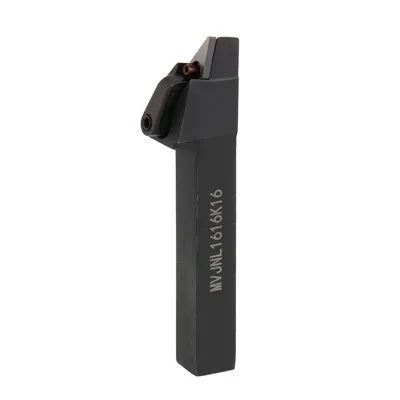
In conclusion, recycling milling inserts is not only good for the environment but also for your bottom line. It’s a win – win situation. So, let’s take that first step and start making a difference.
Twist Drill References
- Industry reports on cutting tools manufacturing and recycling
- Technical papers on metallurgy and material recycling processes
Small Craftsman (Shandong) Machine & Tools Co., Ltd.
Small Craftsman (Shandong) Machine & Tools Co., Ltd. is one of the most experienced milling inserts manufacturers and suppliers in China, also supports customized service with low price. Please feel free to buy bulk high quality milling inserts in stock here from our factory. Contact us for pricelist.
Address: No.9 Quanxin Rd., Sishui Economic Developing Zone, Jining, Shandong, China.
E-mail: 6196@ocutchina.com
WebSite: https://www.ocutooling.com/
