In the realm of coal mining and related industries, the utilization of appropriate tools is not only a matter of efficiency but also a critical safety concern. When dealing with coal gas – rich environments, the properties and performance of tools become even more crucial. As a supplier of non – magnetic tools for coal, I have delved deep into understanding how these tools operate in such challenging settings. Non-Magnetic Tools for Coal
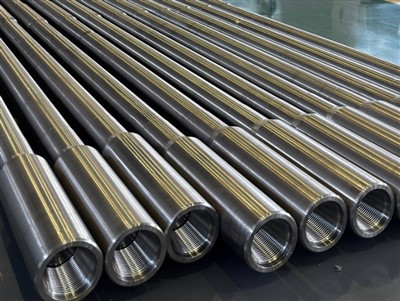
Understanding Coal Gas – Rich Environments
Coal gas, mainly composed of methane, carbon monoxide, and other hydrocarbons, is a common by – product of coal formation and coal mining activities. In coal mines, the concentration of coal gas can vary significantly, and in some areas, it can reach a level where it becomes highly flammable and explosive. This volatile environment poses a direct threat to the safety of workers and the integrity of mining operations.
The presence of coal gas is not the only challenge. Coal mines are also filled with dust, moisture, and other contaminants that can affect the performance and longevity of tools. Magnetic tools, which are susceptible to attracting metal particles and dust, can quickly become clogged and damaged in such an environment. Moreover, the magnetic field of these tools can potentially interfere with sensitive electronic equipment used in modern mining operations, leading to malfunctions and safety hazards.
The Advantages of Non – Magnetic Tools in Coal Gas – Rich Environments
1. Non – Spark Generation
One of the most significant advantages of non – magnetic tools in coal gas – rich environments is their non – sparking property. In a highly flammable atmosphere, even a tiny spark can trigger a catastrophic explosion. Non – magnetic tools are typically made from materials such as aluminum – bronze, beryllium – copper, or other non – ferrous alloys that do not produce sparks when struck against other objects. This makes them ideal for use in areas where the risk of gas ignition is high.
For example, when performing maintenance or repair work on equipment in a coal mine, a non – magnetic wrench can be safely used to tighten or loosen bolts without the fear of generating sparks. This not only protects the workers but also ensures the continuity of mining operations.
2. Resistance to Corrosion
Coal mines are often damp environments, and the presence of moisture can cause traditional metal tools to rust and corrode quickly. Non – magnetic tools, on the other hand, are made from materials that are highly resistant to corrosion. Aluminum – bronze and beryllium – copper alloys have excellent corrosion – resistant properties, which allow them to withstand the harsh conditions in coal mines.
Corrosion can weaken the structure of tools, making them prone to breakage and failure. By using non – magnetic tools, miners can avoid the frequent replacement of tools due to corrosion, thus reducing costs and increasing operational efficiency.
3. No Interference with Electronic Equipment
As mentioned earlier, magnetic tools can interfere with sensitive electronic equipment in coal mines. Modern mining operations rely heavily on electronic devices for monitoring, communication, and control functions. Non – magnetic tools eliminate the risk of magnetic interference, ensuring the proper functioning of these electronic systems.
For instance, in automated coal mining operations, sensors and control systems are used to regulate the flow of coal, monitor gas levels, and ensure the safety of workers. Non – magnetic tools can be safely used around these electronic devices without causing any disruptions.
4. Lightweight and Easy to Handle
Non – magnetic tools are generally lighter than their magnetic counterparts. This makes them easier to handle, especially for workers who need to perform tasks for extended periods. In a coal mine, where workers often have to carry their tools over long distances and work in confined spaces, the lightweight nature of non – magnetic tools can significantly reduce fatigue and improve productivity.
Performance in Practice
Over the years, I have received feedback from numerous customers who have used our non – magnetic tools in coal gas – rich environments. Many miners have reported that the non – sparking property of our tools has given them peace of mind when working in potentially hazardous areas. They no longer have to worry about accidental ignition of gas due to tool – related sparks.
In terms of durability, the resistance to corrosion of our non – magnetic tools has been well – received. Miners have found that these tools can last for a long time even in the damp and dusty conditions of coal mines. They have also noticed that the lack of magnetic interference has improved the reliability of the electronic equipment in the mine.
We have also conducted several field tests to evaluate the performance of our non – magnetic tools. In a recent test conducted in a large coal mine, we compared the performance of our non – magnetic hammers with traditional magnetic hammers. After several weeks of use, the non – magnetic hammers showed no signs of corrosion or damage, while the magnetic hammers had accumulated a significant amount of metal dust and were starting to rust.
Challenges and Solutions
Despite the many advantages of non – magnetic tools, there are still some challenges associated with their use in coal gas – rich environments. One of the main challenges is the cost. Non – magnetic tools are generally more expensive to manufacture than traditional magnetic tools due to the use of specialized non – ferrous alloys.
To address this issue, we are constantly looking for ways to optimize our manufacturing processes and reduce costs. We are also working on developing new materials that can provide similar performance at a lower cost. By doing so, we hope to make non – magnetic tools more accessible to coal mining companies of all sizes.
Another challenge is the limited availability of skilled workers who can properly use and maintain non – magnetic tools. These tools require different handling techniques compared to traditional tools. To overcome this challenge, we provide comprehensive training programs for our customers. Our training courses cover topics such as tool selection, proper use, maintenance, and safety precautions. We believe that by educating our customers, we can ensure the optimal performance of our non – magnetic tools in coal gas – rich environments.
Conclusion
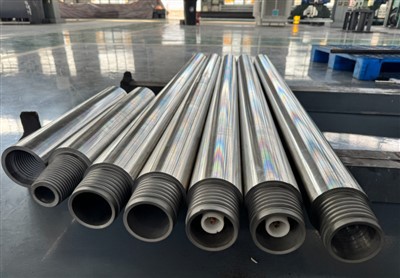
In conclusion, non – magnetic tools offer significant advantages in coal gas – rich environments. Their non – sparking property, resistance to corrosion, lack of interference with electronic equipment, and lightweight design make them the ideal choice for coal mining operations. As a supplier of non – magnetic tools for coal, we are committed to providing high – quality products that meet the safety and performance needs of our customers.
Non-Magnetic Tools for Coal If you are in the coal mining industry and are looking for reliable non – magnetic tools, we encourage you to contact us for procurement discussions. Our team of experts is ready to assist you in selecting the right tools for your specific needs and to provide you with the support and resources you need to ensure the success of your operations.
References
- "Safety Standards for Coal Mining Tools", Mining Safety Association
- "Properties of Non – Ferrous Alloys for Tool Manufacturing", Metal Engineering Journal
- "Case Studies of Non – Magnetic Tools in Coal Mines", International Mining Review
Shanxi Zhonghe Non-Magnetic Drill Tool Co., Ltd.
As one of the most professional non-magnetic tools for coal manufacturers and suppliers in China, we also support customized service. With abundant experience, we warmly welcome you to buy high quality non-magnetic tools for coal for sale here from our factory. Contact us for more details.
Address: No.168 Fenglei Street, Houma City, Linfen City, Shanxi Province, China.
E-mail: lucy@nmdrillcollar.com
WebSite: https://www.zhnmdc.com/
