If you’ve ever been behind the wheel of a Jiefang tractor truck moving heavy cargo across highways or construction sites, you know there’s more to stopping that massive rig than just slamming on a pedal. As a long-time supplier of Jiefang tractor truck components—working closely with their engineering team and fleet operators across Asia and parts of Africa—I’ve spent years digging into how their braking systems work, because reliability here isn’t just a technical detail, it’s what keeps drivers, cargo, and other road users safe. Let’s break it down, plain and simple, no fancy jargon that doesn’t mean anything for someone who buys or drives these trucks. Jiefang Tractor Truck
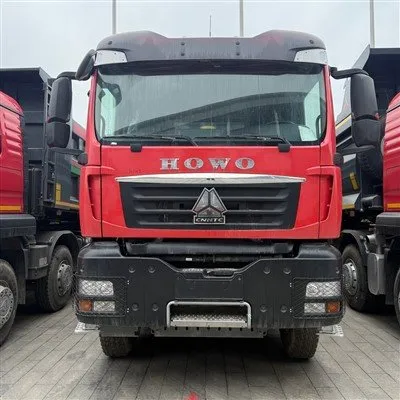
First, let’s start with the basics: Jiefang doesn’t use one single brake setup for all their tractor trucks. They tailor the system to the truck’s intended use, which makes sense when you think about a unit hauling a 40-ton shipping container versus one moving construction material on rough, hilly terrain. For most standard line-haul Jiefang tractor trucks—their most common model for cross-country cargo runs—you’ll find an air brake system, not the hydraulic brakes you’d see in a passenger car. Air brakes are non-negotiable for heavy trucks because air compresses just enough to absorb small shocks, but also transmits force evenly across multiple axles, which you need when stopping a rig that heavy.
At the heart of this system is the air compressor, driven by the truck’s engine, which pumps compressed air into two main air storage tanks: one for the service brakes (the ones you use every time you press the pedal) and one for the parking brakes, which hold the truck steady when it’s parked. That split is a safety feature I’ve seen Jiefang double down on over the years—if one tank fails, the other still works, so you’re not left stranded on a slope with no way to stop. The service brake pedal, when pressed, sends that compressed air through a series of valves to the brake chambers on each wheel. Those chambers turn the air pressure into mechanical force, which pushes brake shoes against the inside of the brake drum (on older models) or squeezes brake pads against a rotor (on newer, lighter-duty tractors).
Wait, let’s be clear: Jiefang moved to disc brakes on the front axles of many newer tractor models over the last five years. Why? Because disc brakes dissipate heat faster than drums, which is a big deal when you’re braking downhill for hours, or making repeated stops in city traffic. I’ve had fleet managers tell me that the switch cut their brake maintenance costs by 15% in the first year, which is huge for companies that run multiple trucks. The rear axles, though, still often use drum brakes, and that’s not a mistake—drum brakes handle heavy loads better for the long-haul runs, and Jiefang engineers sized the drums specifically for their most common cargo weights.
Now, the part that almost every driver relies on without thinking: anti-lock braking system, or ABS. Jiefang’s ABS is integrated directly into their braking system, not an after-market add-on, which means it’s calibrated to match the truck’s weight distribution and braking force. If a driver hits the brake too hard on a slippery road, the ABS sensors at each wheel detect when a wheel is about to lock up, and pulse the brake pressure 15 times per second—faster than any human can push the pedal. I’ve seen this work firsthand during a rainy highway test run last year: a driver going 65 mph on wet asphalt slammed the brakes, and instead of skidding into the lane next to him, he stopped smoothly, thanks to Jiefang’s calibrated ABS. That’s not something you get with a cheap, non-integrated system.
But what about when the truck is stopped? That’s where the parking brakes come in, and Jiefang has two types here, depending on the model. For standard line-haul tractors, it’s a spring-loaded parking brake—meaning a strong spring holds the brake engaged, and compressed air is used to release it when you’re ready to drive. If the air pressure drops too low (say, a leak in the line), the spring will automatically engage the brakes, which prevents the truck from rolling away when you’re parked on a hill. That’s a safety feature I can’t stress enough; I’ve worked with fleets that lost trucks because a faulty parking brake engaged at the worst time, and Jiefang’s spring design is built to resist corrosion even in salty coastal roads, which is a big win for operators in places like Southeast Asia. For off-road Jiefang tractors, used on mining sites or construction zones, they add a secondary emergency brake, a hydraulic system that works even if the air system fails entirely—so you’re never without a way to stop.
As a supplier, I also want to talk about maintenance, because the braking system only works if it’s cared for. Jiefang publishes a very specific maintenance schedule for their braking components: check air lines for leaks every 10,000 km, adjust brake shoes every 20,000 km, and replace brake pads (for disc models) every 50,000 to 70,000 km, depending on load. I see a lot of operators skip these steps to save money, but that’s a mistake. I once had a customer who neglected brake maintenance on a Jiefang tractor, and the brakes wore down so much that they didn’t stop in time to avoid hitting a stopped vehicle—he ended up replacing the entire braking system, which cost three times what regular maintenance would have. Jiefang’s parts are built to last, but only if you follow their guidelines, which is why as a supplier, we always remind customers to stick to that schedule.
Another thing that sets Jiefang’s braking system apart, from what I’ve seen working with their engineering team, is how it’s integrated with the truck’s other systems. For example, on newer models, the traction control system works with the brakes to reduce wheel spin when starting on slippery surfaces—so if you’re pulling a heavy load on a muddy road, the brakes will gently apply pressure to the slipping wheel, sending more power to the wheels that have traction. That’s not a separate system; it’s all part of the braking setup, which makes it more reliable because there’s less chance of a compatibility issue.
Let me also address a common question I get from new buyers: “What if I’m using my Jiefang tractor for a different purpose than line-haul?” If you’re moving heavy construction equipment, for example, you can get an upgraded braking package: larger air tanks, bigger brake drums on the rear axles, and a stronger ABS calibration for heavier loads. Jiefang doesn’t do a one-size-fits-all, which is why they’re so popular with small fleets and independent operators who need a truck that works for their specific business. I’ve supplied modified braking parts for customers who run timber hauls, refrigerated cargo, and even specialized transport for heavy machinery, and every time, Jiefang’s base system adapts perfectly.
Now, let’s get real about the reality of operating these trucks: no system is perfect, but Jiefang’s braking is designed to minimize common issues. The biggest problems I see are air leaks—usually from worn seals, which is why regular line checks are key. Another common issue is contaminated air, like water or oil getting into the tanks, which can freeze in cold climates and block the lines. Jiefang recommends installing an air dryer, which is a small component that removes moisture from the air, and we always include that as a standard part for customers operating in cold regions, because it’s cheap insurance against breakdowns.
As a supplier who’s been working with Jiefang for over a decade, I’ll tell you that their approach to braking is rooted in practicality. They don’t add fancy features just to market them; every part of the system is tested in real-world conditions, not just a lab. I’ve been to their test track in northern China, where they run their tractors up and down steep hills, through muddy tracks, and in extreme cold, just to make sure the brakes hold. That’s the kind of attention to detail that matters when you’re hauling expensive cargo and putting your drivers’ lives on the line every day.
If you’re in the market for a Jiefang tractor truck, or you need to replace braking components, you don’t have to go it alone. As a trusted supplier, we work closely with Jiefang’s original parts inventory, so we can provide genuine, factory-matching braking components for any model, from the oldest line-haul tractors to the latest off-road models. We also offer training for your maintenance team, so you know exactly how to inspect and service the braking system to keep it running safely for years.
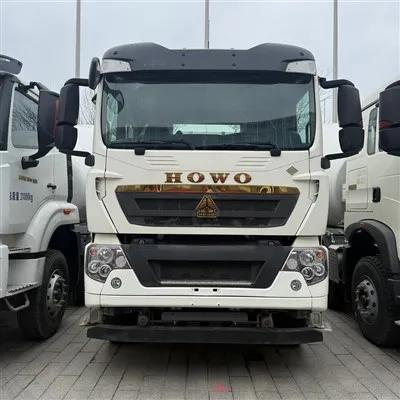
Whether you’re a fleet manager looking to upgrade your trucks, an independent driver needing reliable parts, or someone who just wants to understand what makes Jiefang’s braking system work, we’re here to help. If you have questions about specific models, maintenance schedules, or upgrading your braking setup, reach out to us to discuss your needs and find the right solution for your operations. We’re committed to keeping your Jiefang tractor truck stopping smoothly, no matter where the road takes you.
Side Board Trailer References
Jiefang Commercial Vehicle Technical Manual: Tractor Truck Braking System, 2018.
China Automotive Technology and Research Center, Heavy-Duty Truck Braking System Performance Report, 2021.
Jiefang After-Sales Maintenance Guidelines: Braking System, 2022.
Shandong Huayuanda Automobile Manufacturing Co., Ltd.
Address: Industrial Park, Quanpu Town, Liangshan County, Jining City, Shandong Province
E-mail: Huayuanda2024@163.com
WebSite: https://www.hydtrailer.com/
