Hey there, folks! I’m a supplier of niobium metal, and today I’m super stoked to chat with you about how this amazing metal contributes to energy efficiency. Niobium might not be as well – known as some other metals like gold or silver, but it’s a real game – changer in the energy world. Niobium Metal

First off, let’s talk about what niobium is. Niobium is a chemical element with the symbol Nb and atomic number 41. It’s a shiny, gray – colored metal that’s similar to tantalum and is often found in minerals along with it. It’s got some really cool properties like high melting point, good electrical conductivity, and excellent corrosion resistance.
One of the key areas where niobium plays a huge role in energy efficiency is in the production of high – strength low – alloy (HSLA) steels. These steels are used in all sorts of things, from buildings and bridges to pipelines and automotive parts. When you add a small amount of niobium to steel, it forms tiny niobium carbide and niobium nitride particles. These particles act like little anchors in the steel’s structure.
In the manufacturing process, during hot – rolling of the steel, niobium helps in refining the grain size. A finer grain size makes the steel much stronger. This means that we can use less steel to achieve the same strength requirements. For instance, in the construction of a high – rise building, using HSLA steel with niobium allows architects and engineers to design lighter structures. Lighter structures require less energy to build. You need less fuel for transporting the materials, and the construction machinery uses less energy because it’s not dealing with as much heavy material.
Moreover, in the long – term, these lighter structures put less stress on the foundation. This can reduce the need for future maintenance and repair, which also saves energy. In the automotive industry, using niobium – enhanced HSLA steels means lighter cars. A lighter car needs less energy to move, whether it’s powered by gasoline, diesel, or an electric motor. That directly translates into better fuel efficiency for traditional vehicles and longer battery life for electric ones.
Another big area is in power generation. Niobium is used in the production of superconducting materials. Superconductors are materials that can conduct electricity with zero resistance when cooled below a certain critical temperature. This is a huge deal because in normal electrical conductors, like copper wires, a lot of energy is lost as heat due to resistance.
When electricity flows through a normal wire, the electrons bounce around, colliding with the atoms of the wire. These collisions create heat, and that heat is a waste of energy. But with superconductors, there’s no resistance, so no energy is lost as heat. Niobium – titanium (Nb – Ti) and niobium – tin (Nb₃Sn) alloys are two of the most commonly used superconducting materials.
In power plants, superconducting generators can be much more efficient than traditional generators. They can generate the same amount of electricity with less input energy. For example, in a large – scale hydroelectric power plant, using superconducting technology with niobium can increase the power output while reducing the energy consumption of the generator itself.
In the field of renewable energy, niobium also has a big role to play. In wind turbines, the use of niobium – containing steels can improve the strength and durability of the turbine components, such as the gearbox and the tower. A stronger gearbox is less likely to break down, which means less downtime for maintenance and more continuous power generation. The tower, being more durable, can withstand harsher weather conditions, ensuring that the wind turbine operates at its optimal level for a longer time.
Solar energy also benefits from niobium. Some advanced solar cells use niobium – based materials. These materials can improve the efficiency of the solar cells by absorbing more sunlight and converting it into electricity. Niobium can also help in stabilizing the performance of the solar cells over time. This means that solar panels made with niobium – based technologies can produce more electricity over their lifetime, making solar energy even more attractive as a renewable energy source.
Let’s also touch on the role of niobium in energy storage. Li – ion batteries are currently the most popular type of rechargeable batteries, used in everything from smartphones to electric cars. Niobium can be used in the anode material of these batteries. Traditional graphite anodes have some limitations, like a slow charging rate and a risk of lithium metal plating, which can reduce the battery’s lifespan and pose safety risks.
When niobium is incorporated into the anode material, it can increase the battery’s charging speed. Niobium – based anodes can accept lithium ions much faster than graphite anodes. This means that electric vehicles can be charged in a shorter time, making them more convenient for everyday use. Additionally, niobium – containing batteries have a better long – term stability, which helps to maintain the battery’s capacity over many charge – discharge cycles.
Now, you might be thinking about the environmental aspect. Niobium production has come a long way in terms of being more environmentally friendly. Mining companies are constantly working on reducing their environmental impact. They’re using more efficient extraction methods that use less water and energy. And the recycling of niobium – containing materials is also becoming more common. This means that we can reuse the niobium from old products and reduce the need for new mining.
As a niobium metal supplier, I’ve seen firsthand the growing demand for this amazing metal in the energy sector. Energy companies, manufacturers, and researchers are all looking for ways to improve energy efficiency, and niobium is a key ingredient in many of these solutions.
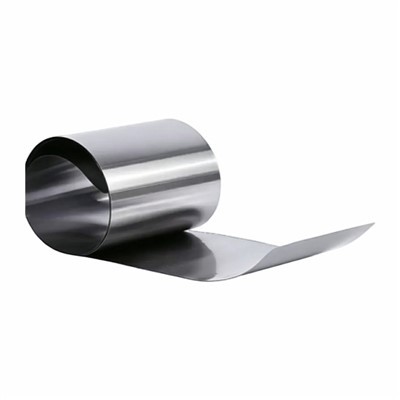
If you’re in the energy industry, or in any field that’s looking to improve energy efficiency, I encourage you to consider using niobium metal. Whether it’s for producing high – strength steels, superconducting materials, or advanced battery components, niobium can offer real benefits. If you’re interested in purchasing niobium metal or learning more about its applications, I’d love to talk to you. Just reach out, and we can start a conversation about how niobium can fit into your energy – efficiency plans.
Molybdenum Alloy References
- "Niobium: Properties, Applications and Technology" by various authors in the Journal of Metals.
- "Advances in Superconducting Materials with Niobium" in the Proceedings of the International Energy Research Symposium.
- "The Role of Niobium in Renewable Energy Technologies" published by the Renewable Energy Institute.
Address: Wangjing Science and Technology Park, Guangshun North Street, Chaoyang District, Beijing
E-mail: sales@moly-tungsten.com
WebSite: https://www.moly-tungsten.com/
